How to Start a Tech or Startup Podcast in Pakistan
Starting a tech or startup podcast in Pakistan comes down to four things: pick a clear angle, choose audio or video, book a proper recording setup, and line up a few good guests before you launch. You do not need a big budget or a fancy office. You need a focused show idea, a quiet room with decent gear, and the discipline to publish on a schedule. This article lays out the whole process, with real numbers in Rs and the steps that actually move a show forward.
Why a tech or startup podcast works in Pakistan right now
The local tech scene gives you endless material. Founders are raising rounds, freelancers are building agencies, engineers are moving between Careem, Bazaar, Sastaticket and dozens of smaller startups, and there is a steady stream of people who want to understand how all of it works. That audience is hungry for honest, specific conversations and there are very few shows serving it well.
A podcast also builds something a Twitter thread cannot. When a founder talks for 45 minutes about how their unit economics broke and how they fixed it, listeners trust them. That trust turns into hiring, fundraising, partnerships and personal brand. For many people in tech, a podcast is the cheapest credibility machine they will ever run.
The format suits the subject too. Tech and startup topics are detailed and nuanced, and long-form audio or video lets you go deep in a way that short posts cannot. If you are still deciding between formats, audio vs video podcast: which should you start is worth reading before you commit.
Pick a sharp angle, not a broad one
The most common mistake is making "a podcast about tech and startups." That is too wide. Narrow it until you can describe it in one sentence and a specific person can see themselves in it.
Some angles that work for the Pakistani market:
- Founder stories: one founder per episode, walking through the messy middle of building their company.
- Operators and builders: engineers, designers and product people talking about how they actually ship.
- Freelance and remote work: how Pakistanis are earning in dollars and scaling agencies.
- Tech explainers: AI, fintech, e-commerce broken down for a general audience.
- Funding and ecosystem: VCs, angels and the realities of raising money locally.
Pick one. You can always widen later, but a narrow show is far easier to grow because people know exactly why to subscribe. If you are stuck, podcast ideas for Pakistani creators has a longer list to react against.
Audio or video: which should a tech show choose?
For a tech or startup podcast, video usually wins. Founders and operators are building personal brands, and clips of them talking land well on LinkedIn, YouTube and Instagram, which is exactly where their audience and yours already are. Video also makes interviews feel more credible and gives you far more to repurpose.
That said, audio only is a perfectly good start if budget is tight. The trade is reach and cost.
| Format | What you get | Studio cost at Timelapse | Best for |
|---|---|---|---|
| Audio only | Clean broadcast sound, podcast feeds | From Rs 5,000/hour | Tight budgets, audio-first shows |
| Professional video podcast | Polished video, clips for social, YouTube | From Rs 9,000/hour | Founder brands, LinkedIn and YouTube growth |
| Creator Pro | Bigger production setup for 3-5 people | Rs 15,000/hour | High-production interview shows |
A practical middle path: start with a simple video setup and good audio, see how the show performs, then scale up. For the deeper cost breakdown, see how much does it cost to record a podcast in Lahore.
What you need to record well
You can record at home, but a tech show lives or dies on whether it sounds and looks professional. Founders judge production quality, and so do their teams. Home setups usually fail on two things: echo from bare walls and inconsistent lighting.
If you do go home, the basics are a dynamic XLR microphone per person, an audio interface, closed-back headphones, and some acoustic treatment. Expect to spend a serious amount to get even close to studio quality, and you still own the editing headache. The honest comparison is in is a podcast studio worth it vs home.
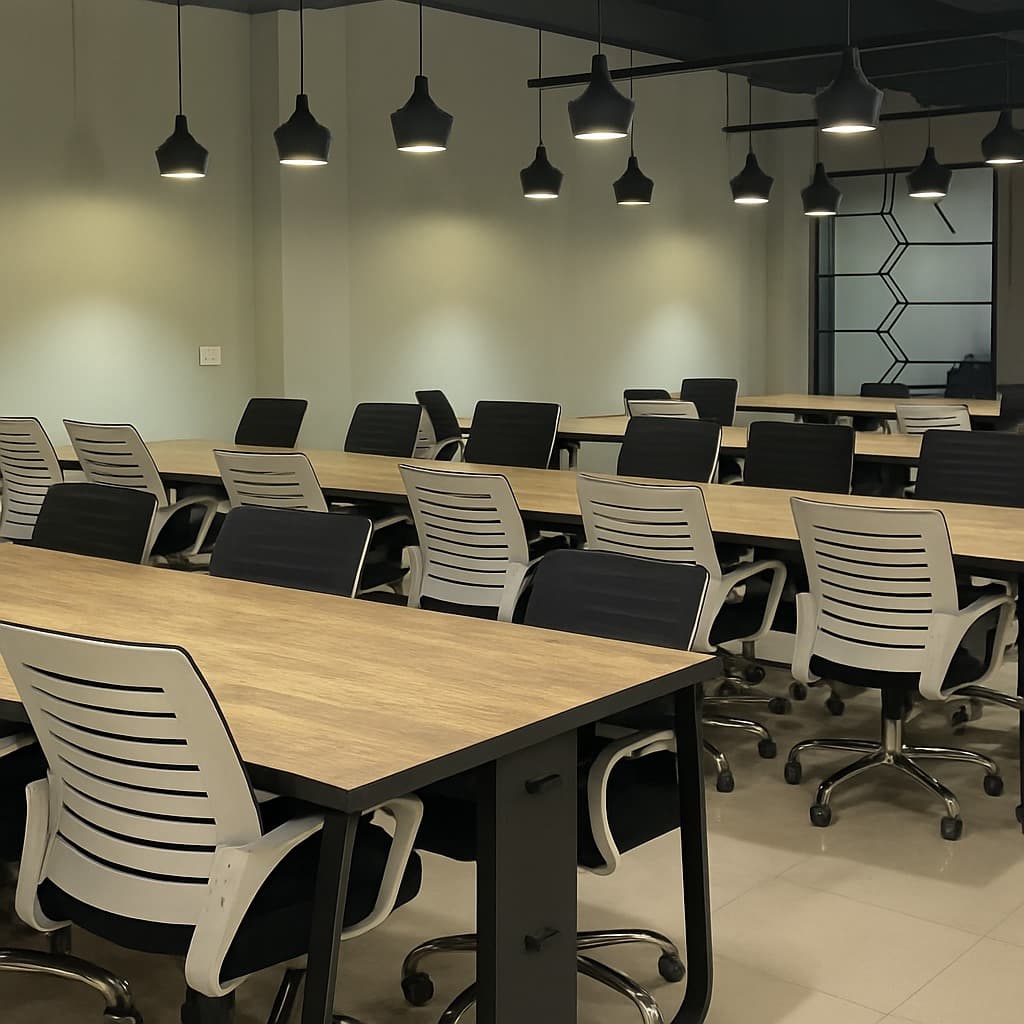
At a studio like Timelapse Studio in Johar Town, the room is already treated, the broadcast mics and cinematic lighting are set up, and you can record polished video with a green screen add-on if you want a branded virtual set. You book the time, show up, record, and leave with footage. For a busy founder, that trade is usually worth it. If you want to understand the equipment side regardless, the gear behind a professional podcast covers what the kit actually does.
A step-by-step launch plan
Here is a sequence that gets you from idea to published show without stalling:
- Define the show in one sentence. Who it is for, what they get, why you. Write it down.
- Name it and design simple branding. Keep the name searchable and easy to say.
- List 10 dream guests. For a startup show, mix well-known founders with rising operators people have not heard yet.
- Write a tight outline per episode. Five to eight questions, an opening hook, a clear close.
- Book a recording session. Batch two or three episodes in one block to save money and momentum.
- Record. Keep episodes around 35 to 60 minutes for interviews.
- Edit and cut clips. One episode should produce several short vertical clips.
- Publish everywhere. Spotify, Apple, YouTube, plus clips on LinkedIn and Instagram.
- Repeat weekly or fortnightly. Consistency beats perfection.
Batch recording is the single biggest time saver for people with day jobs. Block three hours, record three guests back to back, and you have content for a month. More on this in how to batch record podcast episodes.
Getting good guests (and good conversations)
For a startup show, guests are the product. A strong guest list does your marketing for you, because every guest shares the episode with their own audience.
A few things that work:
- Start with your network. The founders and operators you already know are easier yeses and lower pressure for episode one.
- Make the ask easy. Tell them the format, the length, the location in Johar Town near Emporium Mall, and that the studio handles production. Busy people say yes faster when there is no setup on their end.
- Send questions in advance for technical topics so they can think, but keep room for tangents.
- Record video so they get clips for their own brand. That alone closes a lot of guests.
Once they are in the room, your job is to ask one good question and then listen. The best startup interviews come from following up on a specific number or a hard moment, not from running down your list. How to be a great podcast host goes deeper on technique.
Turning episodes into reach and revenue
A published episode is raw material. The growth happens in what you do after. Each interview can become a YouTube video, an audio episode, five to ten short clips, a written recap and several LinkedIn posts. For a tech audience that lives on LinkedIn and YouTube, those clips are often where new subscribers find you. Studios can add short-form clip editing as an add-on, or see turn one episode into ten clips for the workflow.
On money, a tech or startup podcast has more paths than most. Brand sponsorships from SaaS tools, banks and fintechs, branded episodes for companies, recruitment for your own startup, and lead generation for a service business all work. Many founders run the show purely as marketing and never chase ad revenue at all. If you want the local picture, how to make money from a podcast in Pakistan lays out the options.
What it actually costs to run
A realistic budget for a serious tech show recording at a studio:
- Audio-only weekly show: roughly Rs 5,000/hour, so a one-hour session per week.
- Video show with clips: from Rs 9,000/hour for professional video recording, plus clip editing as an add-on.
- Creator Pro: Rs 15,000/hour for bigger production setup for 3-5 people.
Booking monthly or long-term brings up to 30% off, which matters a lot if you publish every week. Batch recording stacks on top of that, since fewer, longer sessions cost less than scattered one-offs. You can see the full breakdown on the packages page.
Frequently asked questions
Do I need to be technical to host a tech podcast? No. Curiosity and good questions matter more than expertise. Some of the best interviewers are generalists who ask the questions the audience is actually wondering about.
How long should episodes be? For interview-led startup shows, 35 to 60 minutes is the sweet spot. Long enough to go deep, short enough to respect a busy listener's time.
Can I record in both Urdu and English? Yes, and bilingual shows often perform very well in Pakistan. Just keep it consistent enough that listeners know what to expect from each episode.
How often should I publish? Weekly or fortnightly. Consistency builds the habit of listening more than any single great episode does. Batch recording makes a steady schedule realistic even with a full-time job.
Where is Timelapse Studio and when is it open? It is in Johar Town, Lahore, near Emporium Mall, open Mon–Fri 9 AM–10 PM; Sat 11 AM–9 PM; Sun closed. You can call or WhatsApp +92 300 1531966 to check availability.
Ready to record your first episodes? Book a session on the contact page and bring your guest list.
Record at our Lahore studio
Audio and video podcast sessions with the gear and crew handled. Check the pricing or grab a slot.