Selling Your Own Products Through a Podcast
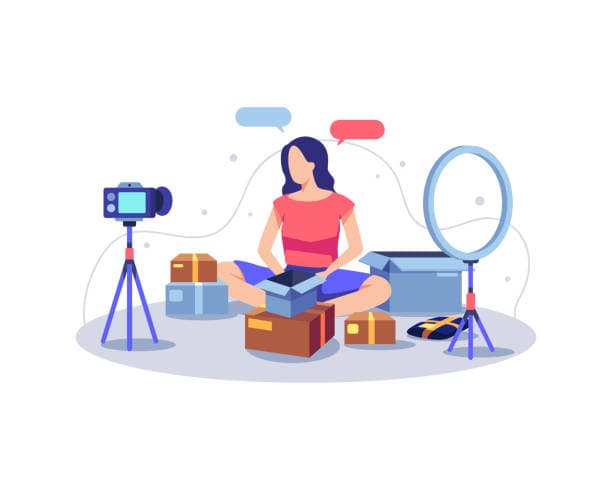
Selling your own products through a podcast works because people already trust your voice before you ever mention a price. Instead of renting attention with ads, you build a relationship across episodes and then point listeners to something you made. Done right, this earns more per listener than sponsorships, and you keep all the margin.
This article covers what to sell, how to mention it without killing the vibe, where to put the offer, and the real numbers behind making it work in Pakistan.
Why your own product beats sponsorships
A sponsor pays you a flat rate, usually based on downloads, and you have no control over whether the listener actually buys. When you sell your own product, every sale is yours and the math changes completely. A small show with 800 loyal listeners might earn almost nothing from ads, but if even 2 percent buy a Rs 3,000 course, that is Rs 48,000 from one episode.
The other advantage is control. You decide the price, the offer, the timing, and how the product fits the conversation. You are not reading a script for a brand you have never used. Listeners can tell the difference, and that honesty is what makes them click.
If you are still weighing how creators make money in this market, how to make money from a podcast in Pakistan lays out the full menu so you can see where product sales fit.
What can you actually sell?
Almost anything, but some products convert far better through audio and video than others. The closer the product is to what your show is already about, the easier the sale.
| Product type | Example | Why it works on a podcast |
|---|---|---|
| Digital courses | A 6-week course on freelancing | You already prove expertise every episode |
| Coaching or consulting | One-on-one strategy calls | Listeners feel they know you personally |
| Physical products | Coffee, apparel, books | Strong for lifestyle and niche shows |
| Templates and tools | Notion templates, spreadsheets | Cheap to make, easy to deliver |
| Memberships | Bonus episodes, a private group | Recurring income, not one-off |
| Live events | Workshops, meetups in Lahore | Your audience is already local |
The simplest place to start is a digital product. There is no shipping, no inventory, and your cost per sale is close to zero. A coaching offer is even faster to launch because you only need your time and a booking link.
How do you mention it without sounding like an ad?
The trick is to talk about the product the way you would talk about a friend's project, with specifics and a real reason it exists. Skip the salesy tone. Say what problem it solves, who it is for, and one concrete result someone got from it.
Here is a simple structure that does not feel forced:
- Tell a short story from your own work that the product came out of.
- Name the exact problem your listener is probably facing.
- Describe what the product does in one or two plain sentences.
- Give one honest detail (price, what is included, a real result).
- Tell them exactly where to go and what to do next.
Keep it to 45 to 90 seconds for an audio mention. On a video podcast you can hold up the product, share your screen, or show a quick demo, which usually converts better. If you record at a studio with professional video, those product demo moments look clean enough to clip and reuse on social.
For more on sounding natural while you do this, how to be a great podcast host covers the delivery side.
Where in the episode should the pitch go?
Placement matters more than people think. The start of an episode has the most listeners but the least trust. The end has fewer listeners but they are the most engaged, which is exactly who buys.
A reliable pattern looks like this:
- A 10 to 15 second teaser near the top ("stick around, I will tell you about the template I built for this")
- The full pitch in the last 5 minutes, after you have delivered real value
- A short reminder in the show notes and pinned comment
For evergreen products, build a permanent mention into your intro or outro so every new listener hears it, not just the people who caught one episode. If the product ties directly to the episode topic, mention it in the middle, right after you solve the exact problem it addresses. That is the moment the listener wants more.
Making the offer easy to act on
The biggest leak is friction. Someone hears your pitch while driving or doing dishes, and by the time they reach a screen, they have forgotten the link. Reduce the steps between hearing and buying.
A few things that genuinely help:
- Use one short, memorable URL you repeat out loud (yoursite.com/start, not a long link)
- Put the link first in your show notes and YouTube description, not buried
- Pin a comment with the link on every video episode
- Offer a listener-only code, which both tracks sales and rewards loyalty
- Add captions to your video clips so the offer is readable on mute
Short-form clips do a lot of quiet selling here. One good 30-second clip with a clear call to action can keep selling for months. Turn one episode into ten clips shows how to pull those moments out of a single recording, and how to make podcast clips for reels and shorts covers the format side.
The numbers: what to expect
Conversion from a podcast is slower than a paid ad but the buyers are warmer and stick around longer. As a rough planning guide, expect somewhere between 1 and 4 percent of engaged listeners to buy a relevant product over time, higher for cheap digital items and lower for premium offers.
Here is a simple worked example with a Rs 2,500 digital product:
| Engaged listeners per episode | Conversion | Buyers | Revenue |
|---|---|---|---|
| 300 | 2% | 6 | Rs 15,000 |
| 1,000 | 2% | 20 | Rs 50,000 |
| 1,000 | 4% | 40 | Rs 100,000 |
Notice you do not need a huge audience. A focused show with 1,000 real listeners and a product that fits can out-earn a big general show running ads. Quality of fit beats raw size every time.
Production cost matters too, because it sets your break-even point. A studio video session might run Rs 9,000 per hour, with audio from Rs 5,000 per hour and the Creator Pro option at Rs 15,000 per hour. If you book monthly you can get up to 30 percent off, which lowers your cost per episode and means fewer sales are needed to come out ahead. See the full breakdown on the packages page.
Building trust so people actually buy
Selling works best when most of your content is not selling. A common ratio is to give real value in at least four out of every five episodes and only push hard in the fifth. The value is what earns you the right to make an offer.
Three habits build the trust that drives sales:
- Be specific and useful, so listeners feel they got results before paying anything
- Show proof when you can (a result, a testimonial, a before and after)
- Only sell things you actually believe in, because one bad product undoes years of trust
Video helps here as well. Seeing your face, your space, and your honesty builds faster trust than audio alone, which is part of why so many creators are moving to video. Why 2026 is the year of the video podcast explains the shift in more detail.
Frequently asked questions
How big does my audience need to be before I sell something? There is no minimum. If you have even a few hundred engaged listeners and a product that genuinely fits them, you can start now. Smaller, focused audiences often convert better than large general ones.
Will selling my own product annoy listeners? Not if your content is mostly valuable and your pitch is honest and relevant. Listeners accept that you have something to sell. They only push back when the selling outweighs the value or feels fake.
Should I sell a digital or physical product first? Start digital if you can. Courses, templates, and coaching have no shipping or inventory, near-zero cost per sale, and you can launch in days. Physical products are great later once you know what your audience wants.
Do I need video to sell, or is audio enough? Audio absolutely works for selling, especially for digital products and coaching. Video tends to convert a bit better for anything you can show or demo, and the clips give you extra selling surface on social.
How do I track which sales came from the podcast? Use a unique link or a listener-only discount code that you only share on the show. Anything that comes through that link or code is from your podcast, which tells you whether the effort is paying off.
Ready to record episodes that look and sound good enough to sell from? Get in touch to book a session and start turning listeners into customers.
Record at our Lahore studio
Audio and video podcast sessions with the gear and crew handled. Check the pricing or grab a slot.