Microphone Technique Every Podcaster Should Know
Good mic technique is the cheapest upgrade in podcasting. Get your distance, angle, and consistency right and a modest microphone will outperform an expensive one used badly. Most of the muddy, popping, uneven audio you hear in amateur podcasts is not a gear problem, it is a technique problem.
The best part is that none of this costs anything. It is just a handful of habits you build once and keep. Here is what actually matters.
Get the distance right
Distance is the foundation. Too far and you pick up the whole room, sounding hollow and distant. Too close and you get muddy, boomy audio with heavy "p" pops. The sweet spot for most podcast mics is roughly a fist's width from your mouth, about four to six inches.
Pick a distance and hold it. The most common mistake new podcasters make is drifting closer and further as they talk, so the volume swells and fades. Consistency is what makes you sound controlled and professional.
Speak across the mic, not into it
Talking straight into the mic blasts it with bursts of air on hard sounds like "p" and "b", which creates that thumping pop. Angle the mic slightly so you speak across the front of it rather than directly at it. Those air bursts pass by instead of hitting the capsule head on.
A pop filter or foam windscreen helps too, but the angle does most of the work. Combine both and pops basically disappear.
Mind the proximity effect
Move very close to most mics and your voice suddenly sounds deeper and bassier. This is the proximity effect, and it is a tool, not a flaw. A warm, intimate sound can suit a calm storytelling show. For a bright, conversational interview, back off slightly so your voice stays natural.
The point is to use it on purpose. Decide the sound you want, set your distance to match, then hold it.
Habits that keep audio clean
Beyond distance and angle, a few small behaviours protect every recording.
- Point the mic at your mouth, not your chest or forehead
- Wear headphones so you hear problems as they happen
- Keep still, avoid swaying or rolling your chair
- Do not tap the table or the mic stand, vibrations travel straight in
- Keep phones off the table to avoid buzz and bumps
- Do a 30 second test and listen back before the real take
These habits sound minor, but together they are the difference between clean audio and a recording you fight with in editing. They also pair with a treated room, covered in how to reduce echo and background noise.
Match your mic to your technique
Technique and gear work together. A dynamic microphone rejects room noise and handles close, loud speaking well, which forgives a lot. A condenser is more sensitive and less forgiving of a noisy room. Whichever you use, the technique above still applies. If you are choosing, best microphones for podcasting in Pakistan walks through the options, and how to get studio-quality podcast audio ties it all together.
| Mistake | What it sounds like | Fix |
|---|---|---|
| Mic too far | Hollow, roomy | Move to a fist's distance |
| Speaking into the mic | Popping on P and B | Speak across it, add pop filter |
| Drifting distance | Volume swelling and fading | Hold a fixed position |
| Mic on the table you tap | Thumps and rumble | Use a stand, keep hands off the table |
Let the studio handle the setup
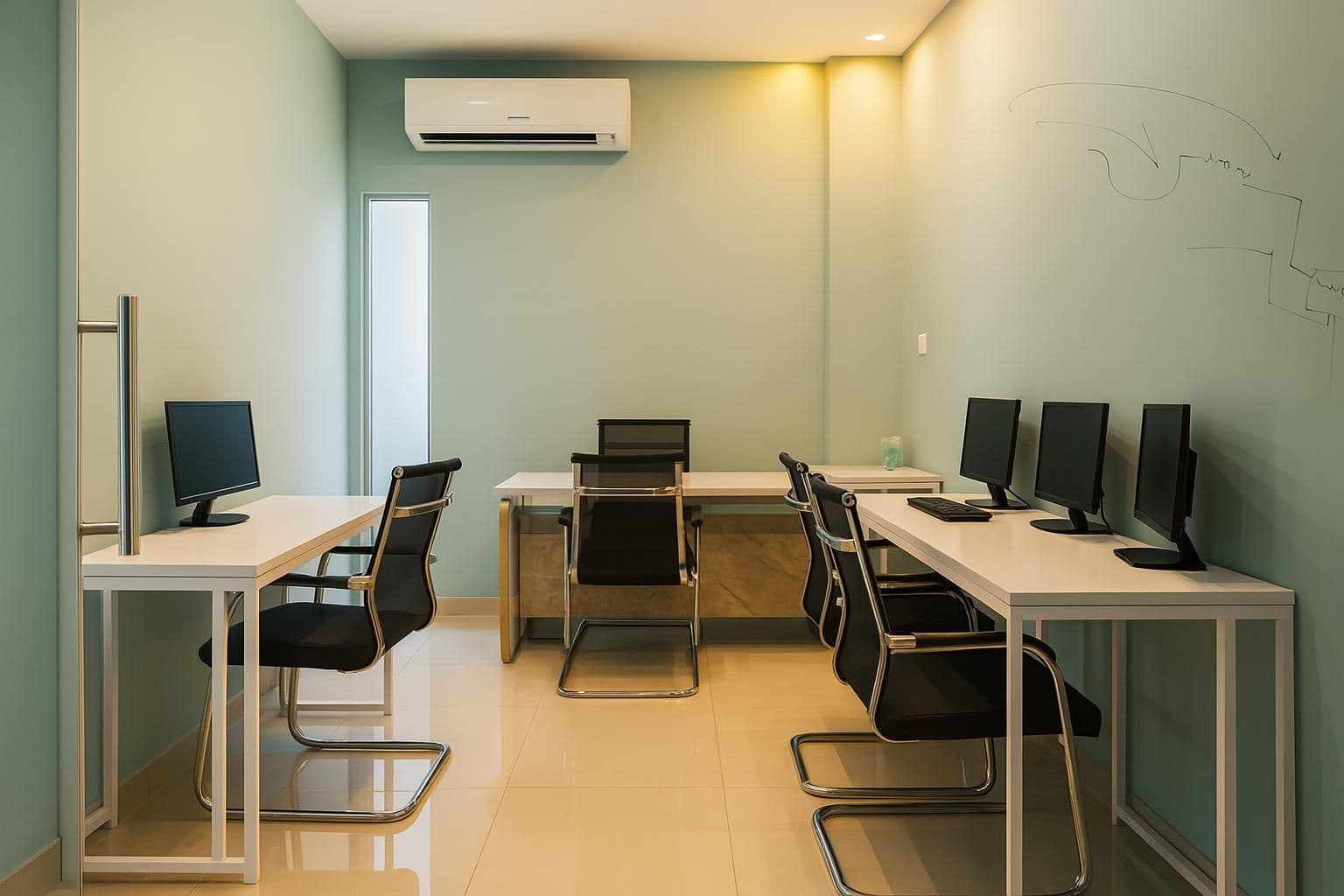
When you record at Timelapse Studio in Johar Town, near Emporium Mall, the mics are already positioned and your levels are set for you, so good technique is mostly about holding still and speaking naturally. Audio sessions start at Rs 5,000 per hour. See the full options on our packages page.
Frequently asked questions
How far should I sit from the mic? About a fist's width, roughly four to six inches, for most podcast mics. The exact distance matters less than keeping it consistent through the whole recording.
Why does my voice pop on certain words? You are speaking directly into the mic, so air bursts on "p" and "b" hit the capsule. Angle the mic to speak across it and add a pop filter, and the popping goes away.
Does mic technique matter if I have a cheap mic? Yes, more than ever. Good technique can make a budget mic sound clean, while bad technique makes an expensive one sound amateur. It is the highest-value free upgrade you can make.
Want a setup where the mics are dialled in for you? Book a session on our contact page.
Record at our Lahore studio
Audio and video podcast sessions with the gear and crew handled. Check the pricing or grab a slot.