How to Get Studio-Quality Podcast Audio
Studio-quality audio is mostly about three things: a quiet, treated room, a good microphone placed correctly, and clean recording levels. Spend on those before anything else. People will forgive average video, but they switch off the moment audio sounds hollow, echoey, or muddy.
You do not need a fortune in gear to get there. You need to control the basics in the right order. Here is how the pieces fit together.
The room matters more than the mic
This surprises people, but the room you record in shapes your sound more than the microphone does. A bare room with hard walls bounces sound around and gives you that echoey, "recorded in a bathroom" feel. A treated room absorbs those reflections so the mic only captures your voice.
You can soften a room at home with curtains, a rug, a bookshelf, and soft furniture. It will never match a purpose-built space, but it helps. If you want the full story on taming a room, read how to reduce echo and background noise.
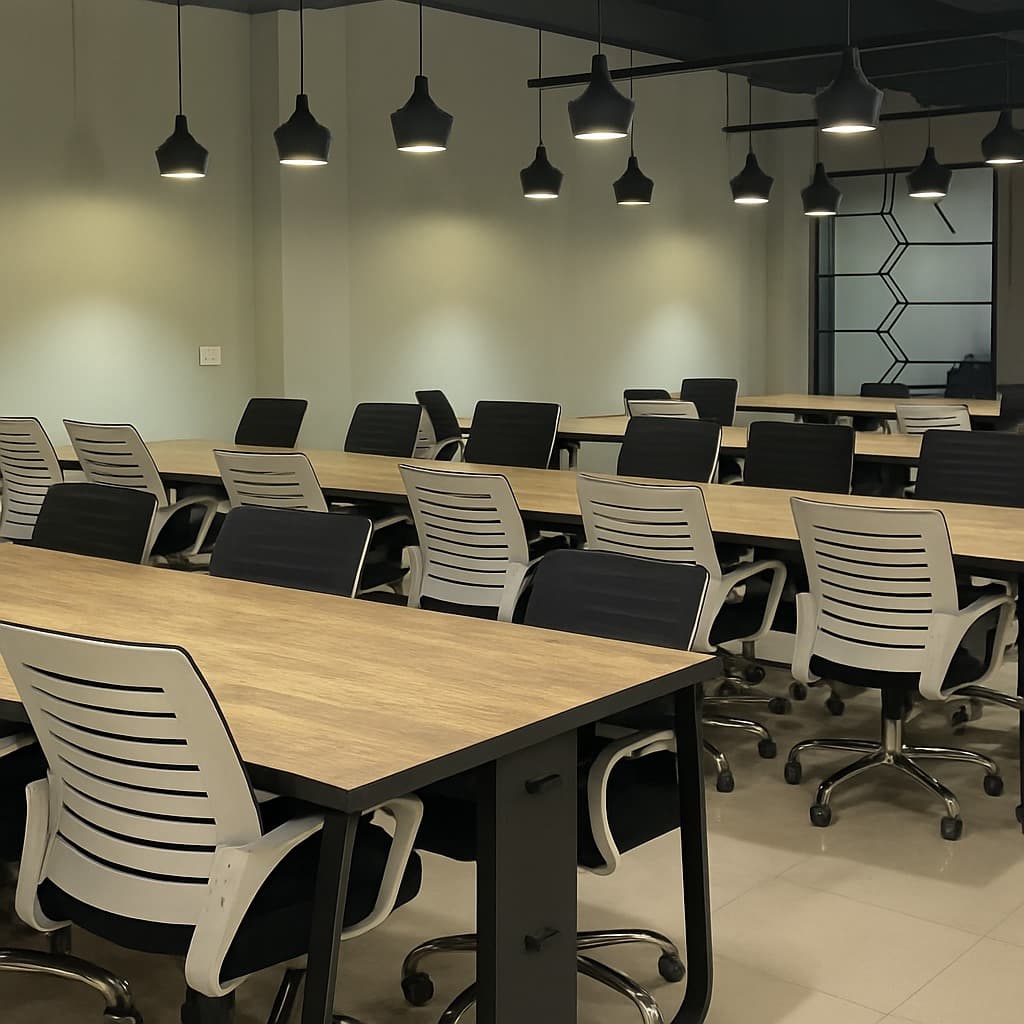
A studio solves this for you. Our space in Johar Town is treated end to end, so you start from a clean, dead-quiet baseline.
Choose the right microphone and place it well
A broadcast-grade dynamic microphone is the standard for podcasts because it rejects room noise and handles loud voices well. The mic matters, but placement matters just as much. A great mic held at arm's length will sound worse than a modest mic held close.
- Keep the mic about a fist's distance from your mouth
- Speak slightly across the mic, not straight into it, to reduce popping
- Point the mic at your mouth, not your chest
- Use a pop filter or windscreen to soften hard "p" and "b" sounds
For more on this, our piece on microphone technique every podcaster should know goes deeper. If you are still choosing hardware, best microphones for podcasting in Pakistan covers the options.
Set your levels before you hit record
Recording too loud causes clipping, which is permanent distortion you cannot fix later. Recording too quiet means you have to boost it afterwards, which also boosts the hiss. Aim for a healthy middle.
A simple rule: when you talk at your normal speaking volume, your loudest moments should peak well below the maximum, leaving headroom. Do a 30 second test, play it back, and adjust before the real session. This one habit saves more recordings than any plugin.
Headphones, monitoring and consistency
Wear closed-back headphones while recording so you catch problems as they happen, a guest's mic drifting, a fan kicking on, a phone buzzing on the table. Catching it live is far easier than discovering it in editing.
Consistency also matters. Keep the same mic distance throughout, keep phones on silent and off the table, and record in a quiet time of day. Studio-quality audio is really just clean audio captured carefully and repeated the same way every episode.
What you get in a real studio
A studio shortcuts most of this. You get broadcast microphones, a treated room, proper monitoring, and someone setting your levels so you can focus on the conversation. That is the difference between sounding decent and sounding professional from episode one.
| Where you record | Audio result | Effort from you |
|---|---|---|
| Untreated home room | Echoey, inconsistent | High |
| Home room with basic treatment | Decent, workable | Medium |
| Treated studio | Clean, broadcast-ready | Low |
At Timelapse Studio, audio sessions start at Rs 5,000 per hour with broadcast mics and a treated space included. You can see the full options on our packages page.
Frequently asked questions
Do I need expensive software to sound good? No. Clean source audio from a good room and proper levels needs very little processing. Most fixes people reach for in software are really patches for problems that should have been solved while recording.
Can I get studio-quality audio at home? You can get close with room treatment, a good dynamic mic, and careful levels. The gap is consistency and noise control, which is harder to manage at home than in a treated studio.
Does video affect audio quality? No, they are recorded separately. Your audio quality depends on mics, room, and technique, whether or not cameras are rolling.
Want clean, broadcast-ready audio without the setup headache? Book a session on our contact page.
Record at our Lahore studio
Audio and video podcast sessions with the gear and crew handled. Check the pricing or grab a slot.