
How to Start an Islamic Podcast
Starting an Islamic podcast means picking a clear subject (tafsir, seerah, daily reminders, Q and A, or interviews with scholars), choosing audio or video, and recording somewhere quiet enough that your message comes through clean. The hard part is rarely the gear. It is staying consistent, getting your facts right, and treating the topic with the seriousness it deserves. Below is a full plan you can follow from your first idea to your tenth episode.
What kind of Islamic podcast should you make?
Pick a lane before you buy or book anything. "Islamic podcast" is too broad to grow, so narrow it to one of these:
- Short daily or weekly reminders (5 to 10 minutes) built around a hadith, an ayah, or a single lesson.
- Seerah or history series that tells one story per episode in order.
- Tafsir or fiqh explainers that take a verse or a ruling and unpack it plainly.
- Q and A shows where listeners send questions and a knowledgeable guest answers.
- Interview shows with scholars, students of knowledge, reverts, imams, or community workers.
A focused show is easier to describe, easier to find, and easier to keep going. If you cannot say what your podcast is in one sentence, your audience will not be able to either. For help shaping that sentence, read how to choose a podcast topic.
Get the religious content right first
This is the part you cannot cut corners on. When you quote the Quran, give the surah and ayah. When you cite a hadith, name the collection (Bukhari, Muslim, Tirmidhi and so on) and, where you can, the grading. If you are not a scholar, present yourself honestly as a student sharing what you have learned, and bring qualified guests for anything that touches rulings.
A few simple rules keep you safe and credible:
- Separate clear, agreed-upon matters from areas where scholars differ, and say so out loud.
- Avoid giving fatwa yourself unless you are genuinely qualified. Point people to scholars instead.
- Double-check translations and references before you record, not after.
- Keep adab in your tone, even when you disagree with a guest or a caller.
Getting this culture right from episode one protects your reputation and serves your listeners. A script or at least a tight outline helps a lot here, so look at how to write a podcast script before you sit down to record.
Audio or video: which format fits?
Audio is the lighter start. It is cheaper, faster to edit, and many listeners prefer to play religious content while driving or working. Video adds reach because YouTube is where a huge share of Pakistani viewers find Islamic lectures and discussions, and faces on screen build trust with an audience that wants to know who is teaching them.
A reasonable middle path is to record video and publish both. You get the audio feed for Spotify and Apple, plus the YouTube version and clips for Reels and Shorts. If you are weighing the two, the trade-offs are laid out in audio vs video podcast: which should you start and the cost side is covered in video podcast vs audio podcast cost.
What you need to record
You do not need a mosque-sized setup. You need clean sound, a quiet room, and a steady routine. Here is the basic kit and what each part does:
| Item | Why it matters |
|---|---|
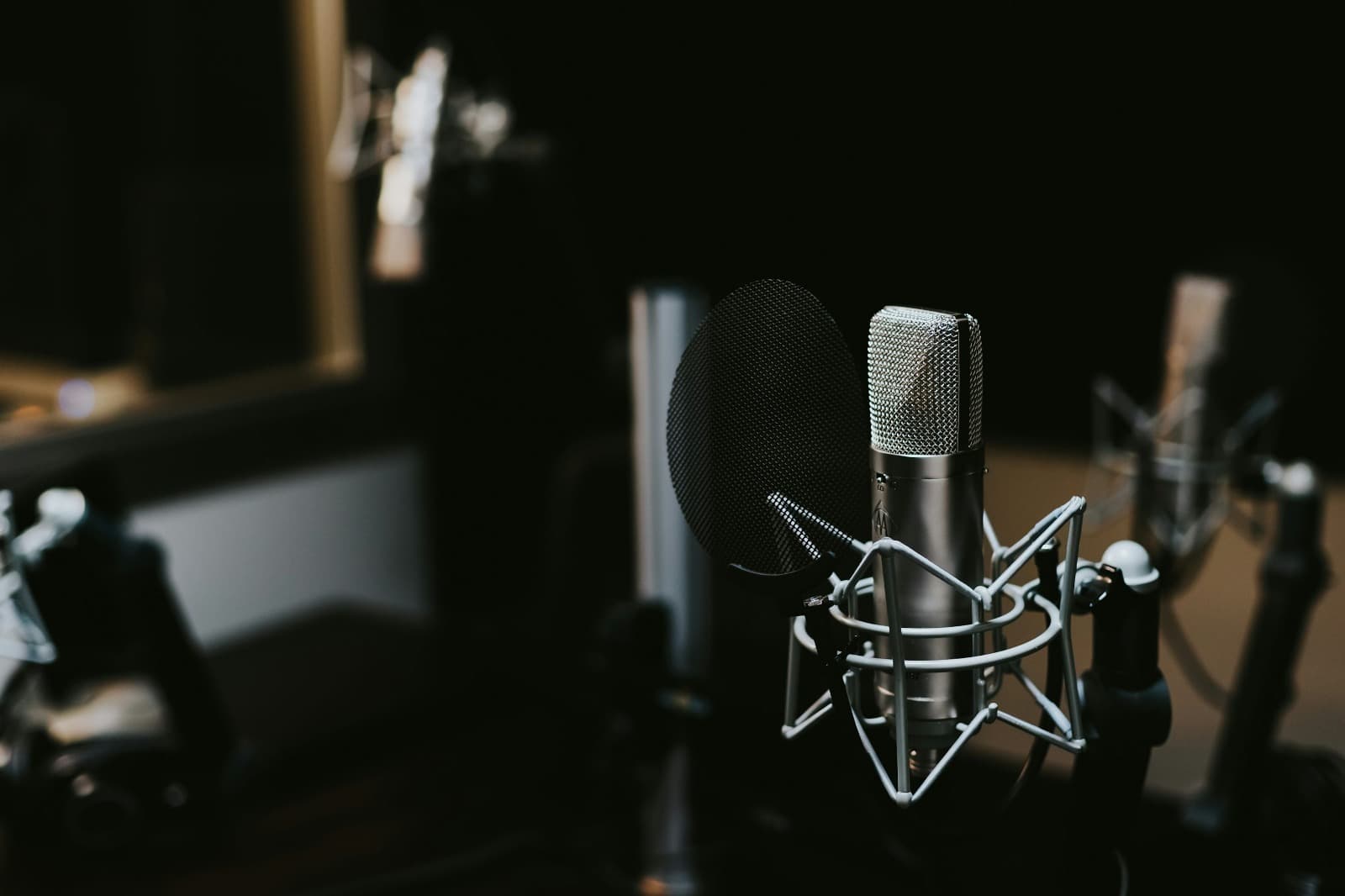
| Broadcast microphone | Clear, warm voice with less room echo |
| Headphones | Catch noise and mistakes while recording |
| Quiet, treated room | Stops echo that makes speech hard to follow |
| Camera and lighting (video) | A trustworthy, well-lit look on screen |
| Recording software | Captures each speaker on a separate track |
If you record at home, your biggest enemy is echo and street noise, especially with two or more guests. For practical fixes see how to reduce echo and background noise. If you would rather skip the setup entirely and just turn up and talk, a studio handles all of this for you, which matters a lot when you are hosting a respected scholar and cannot afford technical hiccups.
Recording at a studio in Lahore
For Lahore-based creators, Timelapse Studio in Johar Town, near Emporium Mall, is built for exactly this. You get broadcast microphones, cinematic lighting, professional video setup, optional green screen, and a full crew, so you can focus on the conversation while the team handles sound and picture. The studio is open Mon–Fri 9 AM–10 PM; Sat 11 AM–9 PM; Sun closed, which is useful when a guest can only make time after Isha.
Pricing is straightforward. Audio recording starts at Rs 5,000 per hour, video starts at Rs 9,000 per hour, and the Creator Pro option is Rs 15,000 per hour. If you plan a regular series, monthly and long-term bookings get up to 30 percent off, which brings the per-episode cost down a lot once you commit to a schedule. You can see the full breakdown on the packages page, and there is more detail on local rates in how much does it cost to record a podcast in Lahore.
How to plan your first ten episodes
Consistency beats perfection, and the easiest way to stay consistent is to plan a batch before you launch. A simple ten-episode arc for an Islamic show might look like this:
- Intro episode: who you are, what the show covers, and the adab you will keep.
- A foundational topic everyone needs (for example, the importance of sincere intention).
- A story episode from the seerah to hook story-loving listeners.
- A practical episode on daily worship.
- A guest interview with a local scholar or student of knowledge.
- A listener Q and A built from questions you collect early.
- A theme episode tied to the season (Ramadan, Hajj, Muharram).
- A myth-busting episode that corrects a common misunderstanding gently.
- A second guest, ideally from a different background or specialty.
- A recap and roadmap that sets up your next ten.
Recording several of these in one sitting saves money and keeps your momentum. The method is covered in how to batch record podcast episodes, and a fuller planning template lives in how to plan your first 10 podcast episodes.
Language: Urdu, English, or both?
Most Pakistani Islamic audiences respond best to Urdu, or a natural mix of Urdu and English the way people actually speak. Do not force pure English if it makes you stiff, and do not over-Arabise to sound learned. Speak the way you would explain something to a sincere friend, and define any technical term the first time you use it.
If your show leans toward a younger, city audience, a bilingual approach often works well. There is a full breakdown in bilingual Urdu English podcast guide and a focused take in how to start an Urdu podcast.
Editing, clips, and getting found
Light editing goes a long way: trim long pauses, fix volume, and keep the pace moving without chopping the meaning out of a scholar's answer. Then turn each episode into short clips, because a single strong 60-second reminder can travel far further than the full episode and bring people back to the whole thing.
Publish the audio to Spotify, Apple Podcasts, and YouTube, and use clear, searchable titles. People look for things like "tafsir of Surah Al-Fatiha" or "what breaks your fast," so name episodes the way people search. To learn the clip workflow, read turn one episode into ten clips, and for discovery see podcast SEO: how to rank on Google and YouTube. Studios can produce the clips for you as an add-on, which saves hours every week.
Frequently asked questions
Do I need to be a scholar to start an Islamic podcast? No, but you must be honest about your level. Many good shows are hosted by students who share what they learn and bring scholars on for anything involving rulings. Always cite sources and avoid giving fatwa yourself.
How much does it cost to start in Lahore? At Timelapse Studio, audio starts at Rs 5,000 per hour and video at Rs 9,000 per hour, with up to 30 percent off for monthly bookings. If you batch several episodes per session, your real cost per episode drops well below the hourly rate.
Should I record in Urdu or English? Use the language your audience actually thinks in, which for most Pakistani Islamic content is Urdu or a natural Urdu-English mix. Define technical terms the first time and keep your tone conversational.
How long should each episode be? It depends on format. Daily reminders work at 5 to 10 minutes, while interviews and tafsir series can run 30 to 60 minutes. Pick a length you can sustain and keep it roughly consistent. See how long should a podcast episode be.
How do I get guests like local scholars or imams? Start with people you or your community already know, keep your ask short and respectful, and offer a flexible time, including late evenings after Isha. A professional studio setting also makes busy guests far more willing to say yes.
Ready to record your first episode in a proper studio? Book a session through our contact page and let our team handle the sound and picture while you focus on the message.
Record at our Lahore studio
Audio and video podcast sessions with the gear and crew handled. Check the pricing or grab a slot.