How to Record Your First Podcast Episode
Recording your first podcast episode comes down to four things: a quiet space, a decent microphone, a simple plan for what you will say, and a way to capture clean audio (and video if you want it). You do not need a giant setup to start, but you do need to get the basics right, because nothing fixes a bad recording after the fact. This article takes you through the whole thing in order, from prep the night before to exporting the finished file.
What you actually need before you press record
A first episode needs surprisingly little gear, but each piece matters. The microphone is the part listeners notice most, so put your budget there first. Everything else supports it.
Here is the honest minimum:
- A microphone that sits close to your mouth. A dynamic XLR mic is the standard for spoken word because it ignores room noise. If you are choosing, read usb vs xlr microphone for podcasting so you do not overspend.
- Closed-back headphones so you can hear problems while they happen, not after.
- A quiet room with soft surfaces. Carpets, curtains and a sofa kill echo for free.
- A recording app or device that saves uncompressed audio.
- A simple outline so you are not staring at silence.
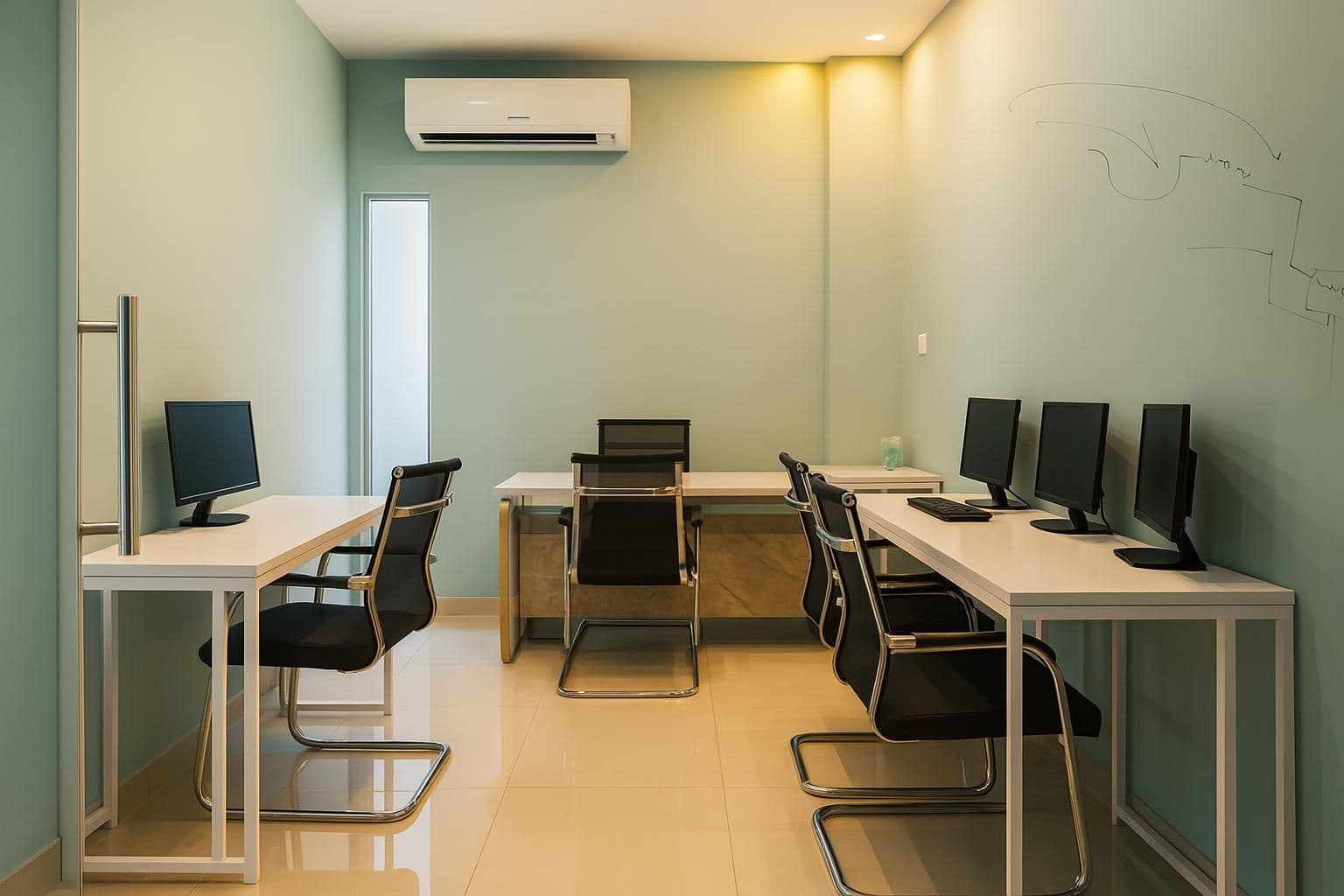
If buying all of that feels like a lot before you have published a single episode, that is exactly why people book a studio for the first few episodes. At Timelapse Studio in Johar Town, the broadcast mics, headphones and treated room are already set up, so your first recording sounds like episode fifty instead of episode one. Audio sessions start at Rs 5,000 per hour. You can see the full breakdown on the packages page.
How do you prepare so the recording goes smoothly?
Most first-episode disasters happen because of weak prep, not weak gear. Spend an evening on the steps below and the recording itself becomes easy.
- Pick one clear topic. One episode, one idea. "What I learned starting a business in Lahore" beats "everything about business."
- Write a loose script or bullet outline. You do not need a word-for-word script, but you do need an opening line, three or four points, and a closing line. See how to write a podcast script for a structure that works.
- Decide your format. Solo, co-hosted, or interview changes how you prep. If you are unsure, solo vs cohosted vs interview podcast lays out the trade-offs.
- Drink water, not tea or milk. Both coat your mouth and create clicks on the mic. Room-temperature water is best.
- Charge everything and clear the room. Phones on silent, fans off if they hum, doors shut.
Write your opening and closing lines out fully even if the middle is bullets. The start and end are where people freeze up, and having exact words to read removes that fear.
Setting up your microphone and levels
Once you are in the room, mic position does more for your sound than any expensive plugin. Sit so the mic is about a fist's width from your mouth, slightly off to the side so your breaths and hard "p" sounds do not punch the diaphragm. A pop filter helps if you have one.
Now set your levels. You want your loudest moments to peak around -6 dB, with normal talking sitting around -12 dB. If the meter is slamming into the top (0 dB), your audio is clipping and it cannot be repaired, so turn the gain down. If your voice barely moves the meter, turn it up. Do a thirty second test, talk at the volume you will actually use (people get louder once they relax), and listen back on headphones before committing. For a deeper walk-through, how to set microphone levels for podcasting covers the edge cases.
If you are recording with a guest or co-host, record each person on a separate track. This lets you fix one person's volume without touching the other, and it saves you when someone coughs while the other is talking.
How long should your first episode be?
Make your first episode 20 to 35 minutes. That is long enough to cover one topic properly and short enough that you will actually finish editing it. Beginners who plan a 90 minute debut usually never publish, because the edit feels endless and the nerves show across the whole thing.
Quality of attention matters more than raw minutes. A tight 25 minute episode where every section earns its place beats a rambling hour. If you want to think this through for your show specifically, how long should a podcast episode be breaks it down by genre.
Recording the episode, start to finish
With prep done and levels set, the recording itself is mostly about staying relaxed and leaving yourself room to edit. Follow this order:
- Record ten seconds of silence first. This "room tone" gives your editor (even if that is future you) a sample of background noise to patch gaps with later.
- Start with a count-in. Clap once or say "three, two, one" before your real opening. It marks the start and helps sync audio with video if you are filming.
- Read your opening line as written. Do not improvise the first sentence. Get rolling, then loosen up.
- When you stumble, pause and restart the sentence. Do not say "let me start over." Just stop, breathe for two seconds, and say the line again cleanly. The pause makes the bad take easy to cut.
- Mark big mistakes out loud. A loud clap or a clear "cut that" gives you a visible spike in the waveform to find later.
- Keep going to the end. Resist re-recording mid-session. Finish the whole thing, then review.
Two seconds of silence after a fumble is the single most useful editing trick a beginner can learn. It turns a painful patch job into a quick cut.
Audio only, or video too?
If you have any interest in YouTube, Instagram or TikTok, record video from day one. You can always publish audio only, but you cannot add video to a recording that was never filmed, and short video clips are the main way podcasts get discovered in Pakistan right now. The full argument is in why 2026 is the year of the video podcast.
Here is a rough comparison of what each path costs and gives you:
| Option | Studio rate at Timelapse | What you get | Best for |
|---|---|---|---|
| Audio only | From Rs 5,000/hour | Clean spoken audio on broadcast mics | Interview and talk shows aimed at Spotify and Apple |
| professional video | From Rs 9,000/hour | professional video coverage, lighting, green screen option | YouTube, Reels and Shorts clips |
| Creator Pro | Rs 15,000/hour | Full crew, multi-platform live streaming, all add-ons | Launches and high-production shows |
Long-term and monthly bookings get up to 30 percent off, which matters once you are recording every week. If you are still weighing it up, audio vs video podcast which should you start is a good read before you commit.
Listening back and exporting the file
Before you export, listen to the whole recording once with fresh ears, ideally the next day. You are checking for three things: long awkward gaps, sections that drag, and any audio problems like clipping or background hum. Make notes with timestamps so editing is fast.
When you export, save your master in a high-quality format first. Use WAV if you can, then create an MP3 for publishing. For spoken word, a 128 to 192 kbps MP3 is plenty and keeps the file small enough to upload easily. Aim for a final loudness around -16 LUFS for stereo, which is the level most podcast platforms expect. If turning your one recording into clips, captions and a published episode feels like too much, that is a normal place to ask for help, and editing plus short-form clips are available as add-ons at Timelapse Studio. See turn one episode into ten clips for how that pipeline works.
Frequently asked questions
Do I need a studio for my first episode? No, but it removes most of the things that go wrong. A treated room and broadcast mics mean your first recording will not have the echo, hum and uneven levels that beginners struggle with at home. Audio sessions at Timelapse Studio start at Rs 5,000 per hour.
How much does it cost to record a first episode in Lahore? A single audio session at a studio starts around Rs 5,000 per hour, and video from Rs 9,000 per hour. For a full picture across the city, read how much does it cost to record a podcast in lahore.
What if I get nervous and keep stumbling? That is normal and fixable. Write your opening and closing lines word for word, pause and restart sentences cleanly instead of apologising, and remember that almost everything can be edited out later.
Can I record audio and video at the same time? Yes. Recording both at once is the most efficient approach, and a professional video setup captures clean audio and polished footage in one session, so you publish to Spotify and YouTube from a single recording.
How do I get the audio to sound professional? Close mic position, correct levels (peaks near -6 dB), a quiet treated room and a dynamic mic do 90 percent of the work. The rest is light editing.
Ready to record episode one with the gear and room already sorted? Book your first session and bring your idea.
Record at our Lahore studio
Audio and video podcast sessions with the gear and crew handled. Check the pricing or grab a slot.