The Best Budget Podcast Setup Under Rs 30,000
You can build a solid podcast setup for under Rs 30,000 in Pakistan, and it will sound far better than most people expect. The trick is spending most of that budget on a decent microphone and a recording interface, then keeping everything else cheap or free. Below is a full kit with real prices, plus the swaps you can make depending on whether you record solo, with a co-host, or on camera.
What you actually need versus what you think you need
New podcasters overspend on the wrong things. They buy a fancy camera before they own a good microphone, or they pay for software they never open twice. Audio is what keeps people listening, so audio gets the money.
Here is the honest priority order for a first setup:
- A microphone that sounds clean and rejects room noise.
- A way to record that mic (an audio interface, or a built-in USB connection).
- Headphones so you can hear problems while you record, not after.
- A pop filter and a stand or arm so the mic sits in the right place.
- A quiet-ish room. This is free and matters more than half your gear.
Everything past that (lighting, cameras, mixers, acoustic panels) is optional for episode one. If you are still deciding between formats, audio vs video podcast: which should you start is worth a read before you spend anything.
A full audio kit under Rs 30,000
Here is a realistic shopping list using prices common in Lahore and Karachi markets like Hall Road and Hafeez Centre. Prices move around, so treat these as a guide, not a quote.
| Item | Example | Approx. price (Rs) |
|---|---|---|
| Dynamic USB/XLR microphone | Maono PD400X or similar | 14,000 to 18,000 |
| Closed-back headphones | Audio-Technica M20x / OneOdio | 5,000 to 8,000 |
| Pop filter | Generic nylon filter | 500 to 1,000 |
| Boom arm or desk stand | Spring-loaded mic arm | 2,500 to 4,000 |
| Cables and adapters | XLR or USB-C, as needed | 500 to 1,500 |
| Total | 22,500 to 32,500 |
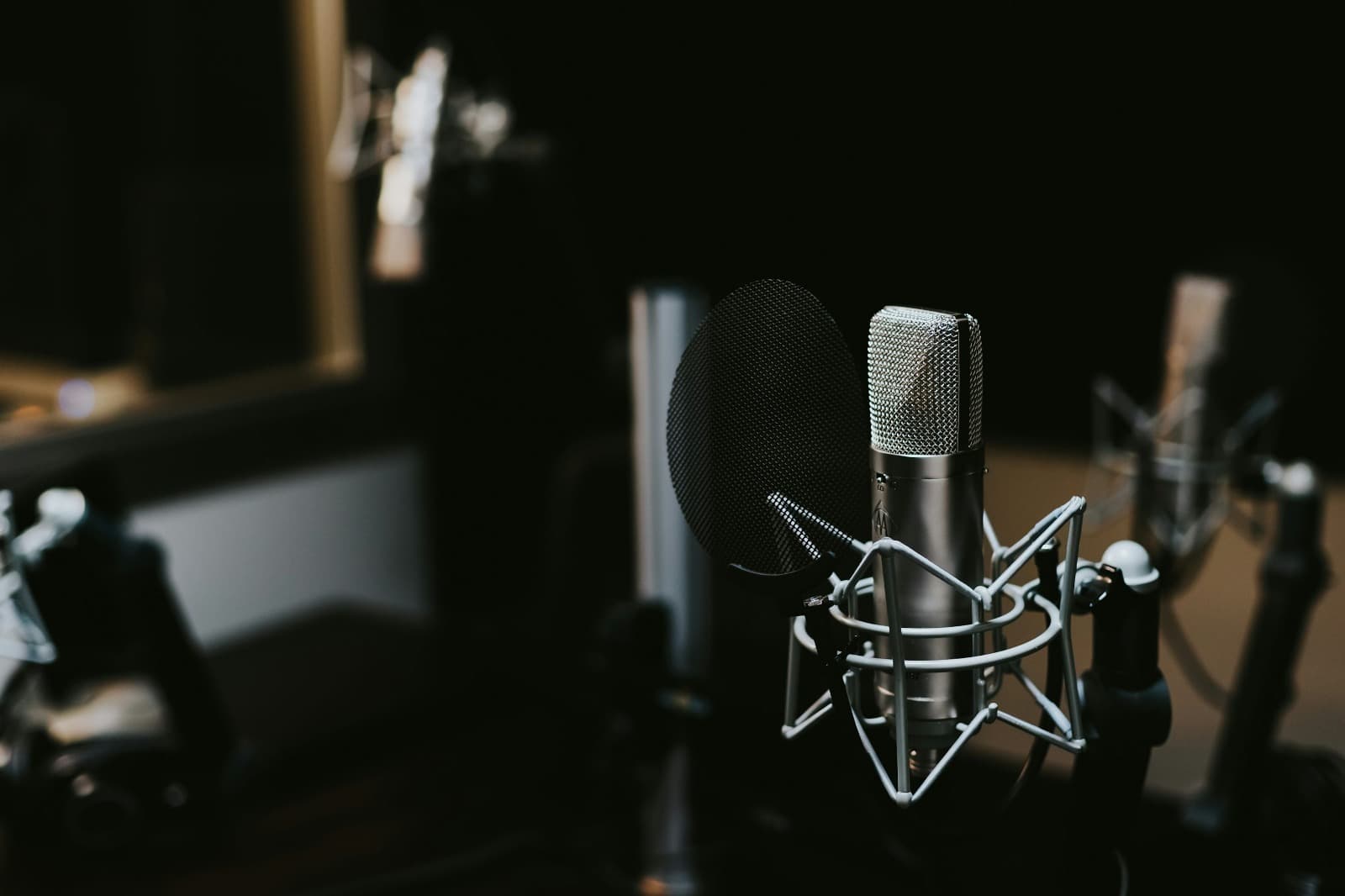
If you stay near the bottom of each range, you land comfortably under Rs 30,000 with money to spare. A dynamic microphone is the key choice here, because it picks up your voice and ignores fans, traffic and echo far better than a condenser mic in an untreated room. The difference between USB and XLR microphones matters too: USB is plug-and-play for one person, while XLR scales better if you add guests later.
The single most important upgrade is free
Your room does more for your sound than any panel you can buy. Hard walls, tiled floors and bare windows bounce sound around and create that hollow, echoey quality that screams amateur.
Fix it without spending a rupee:
- Record in a small room, not a large hall. Bedrooms beat living rooms.
- Stand or sit close to soft things: a wardrobe full of clothes, a bed, curtains, a sofa.
- Throw a thick blanket over a clothes rack and put it behind you or to the side.
- Keep the mic 15 to 20 cm from your mouth, slightly off to the side, with the pop filter in between.
These four habits remove most echo for free. If you want the full method, how to reduce echo and background noise goes deeper. Once your room is calm, even a Rs 14,000 mic sounds genuinely professional.
Recording and editing without paying for software
You do not need paid software to start. The free tools are good enough to produce a publishable episode.
- Audacity (free, Windows and Mac): records, edits, removes background noise and exports in minutes. Best for solo and two-person audio.
- GarageBand (free, Mac only): friendly interface, decent built-in effects.
- OBS Studio (free): if you ever record video or want to capture screen and camera, this handles it.
- CapCut (free): for turning episodes into vertical clips for Reels and Shorts.
A workable free stack is Audacity for recording and editing, then CapCut for clips. For more options, best free tools to start a podcast lists what works and what to skip. When you are ready to learn the basics of cutting an episode, how to edit a podcast: a beginner guide walks through it step by step.
What changes if you record with a co-host
A second voice complicates things, and the cheap mistake is sharing one microphone. Two people leaning into one mic sounds muddy and uneven, and you cannot fix one person's volume without touching the other.
You have two budget-friendly paths:
- Two USB mics, recorded separately. Some software struggles to run two USB mics at once, so test this before episode one. When it works, you get two clean tracks you can balance independently.
- Two XLR mics into a cheap audio interface or mixer. A two-channel interface like a Behringer UMC202HD runs around Rs 12,000 to 16,000, but two XLR mics plus the interface will push you over Rs 30,000 fast.
If a clean two-mic setup keeps blowing your budget, that is exactly the moment a studio makes sense. Recording multiple people on separate tracks explains why separate tracks matter so much for editing.
When buying gear is the wrong move
Sometimes the smart budget choice is to not buy gear at all. If you only plan to record once a week, or you want video from day one, the maths often favours renting time in a studio over building a kit you half use.
Think about it this way. A budget kit costs around Rs 25,000 and gives you home-quality audio in an untreated room. At Timelapse Studio in Johar Town, near Emporium Mall in Lahore, audio sessions start at Rs 5,000 per hour with broadcast microphones, a treated room and someone handling the recording. Five focused hours of recording gets you there for the price of the kit, with no echo to fight and no editing left guessing.
Video tilts the decision even further. A proper video podcast needs cameras, lighting and a clean backdrop, which blows past Rs 30,000 immediately. Studio video starts at Rs 9,000 per hour and the Creator Pro option is Rs 15,000 per hour, both with professional video and lighting included. Monthly and long-term bookings get up to 30% off, so a regular show gets cheaper per episode. You can see the full breakdown on the packages page, and is a podcast studio worth it versus home compares the two honestly.
A simple plan for your first month
Spend less than you think, then put the rest into actually recording. Here is a sensible order:
- Buy a dynamic mic, headphones, a pop filter and a stand (about Rs 22,000 to 28,000).
- Pick the quietest small room you have and soften it with blankets and curtains.
- Install Audacity and record a five-minute test, then listen on headphones.
- Fix the obvious problems: mic distance, room echo, background hum.
- Record your first three episodes before you buy a single extra thing.
If your show grows or you want a polished look, that is when you graduate to a studio. Plenty of creators start at home for the first season, then book studio time once they know the podcast is going to last.
Frequently asked questions
Can I really make a good podcast for under Rs 30,000? Yes. A dynamic mic, basic headphones and a quiet room produce audio most listeners will happily accept. The biggest gains come from technique and room choice, both of which are free.
Should I buy a condenser mic since they sound better online? Not for a budget home setup. Condenser mics are very sensitive and will capture every fan, echo and street noise in an untreated room. A dynamic mic is the safer choice. See dynamic vs condenser microphone for podcasts.
Do I need an audio interface? Only if you use XLR microphones. A USB microphone plugs straight into your computer and skips the interface entirely, which keeps a solo setup cheap and simple.
What about video on this budget? Video is hard to do well under Rs 30,000 because video setup and lighting add up quickly. For video, renting studio time is usually the better value. Why 2026 is the year of the video podcast explains why more creators are going on camera.
How much does studio recording cost compared to buying gear? Audio sessions at Timelapse Studio start at Rs 5,000 per hour and video from Rs 9,000 per hour, with up to 30% off for monthly bookings. For occasional or video-first shows, that often beats buying a kit.
Want help deciding between a home kit and a studio session? Message us on the contact page and we will point you to whatever actually fits your budget.
Record at our Lahore studio
Audio and video podcast sessions with the gear and crew handled. Check the pricing or grab a slot.